
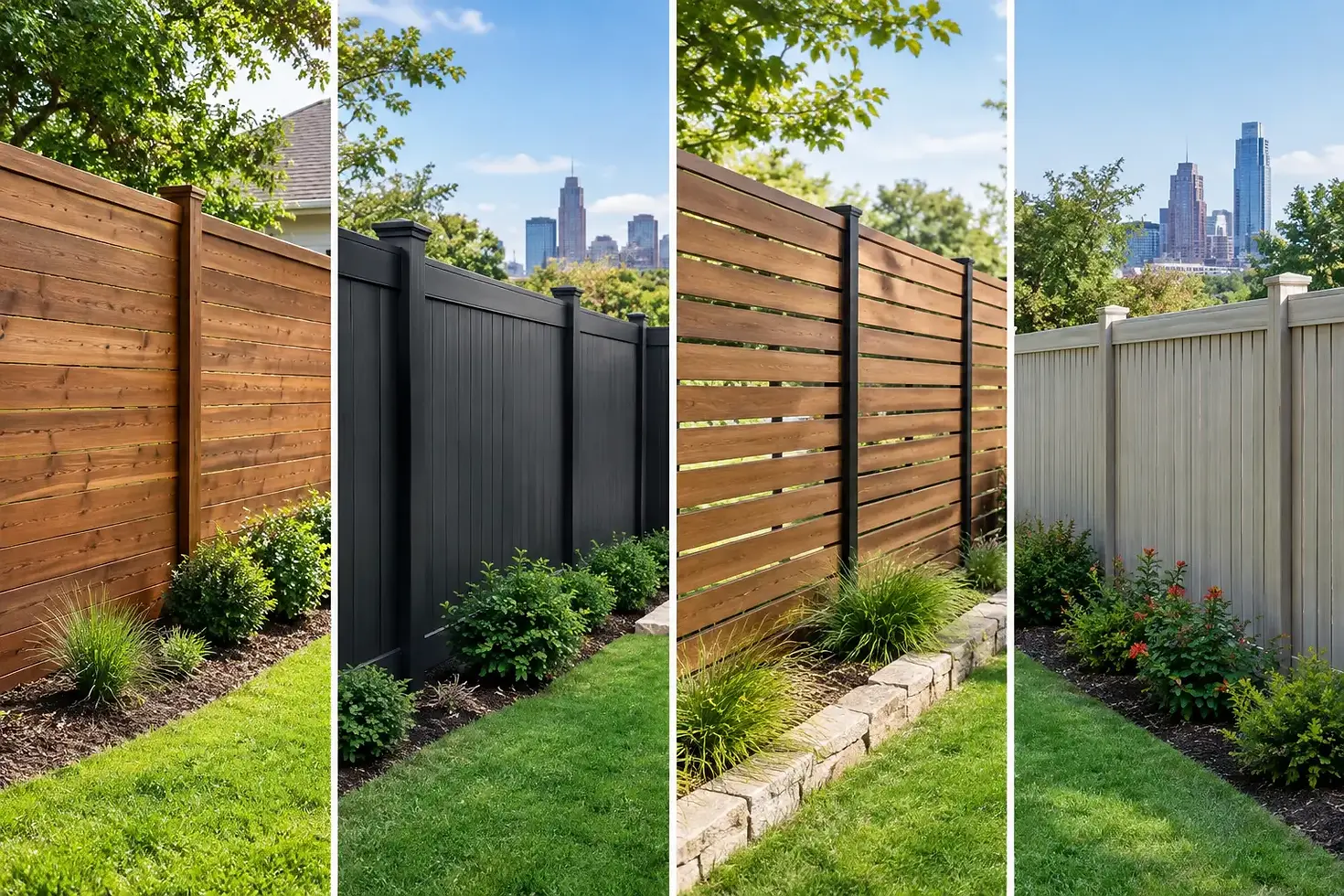
Best Fence Styles for Privacy in Austin Yards
A backyard can feel surprisingly exposed when neighboring windows overlook the patio, a busy street borders the lot, or a new home goes up next door. The best fence styles for privacy solve that problem without making your property feel closed in, dark, or disconnected from the rest of your outdoor space.
For Austin homeowners, the right choice also needs to stand up to strong sun, shifting soil, periods of heavy rain, and everyday use by kids, pets, and guests. Privacy matters, but so do maintenance, curb appeal, drainage, local requirements, and a budget that makes sense for the home. A fence is most successful when it is planned as part of the property, not treated as an afterthought.
What Makes a Privacy Fence Work Well?
A privacy fence needs more than tall, solid panels. It should block the sightlines that matter most, whether that is a neighbor’s second-story window, a nearby driveway, or a view from the sidewalk. The placement of the fence, the grade of the yard, and the height of nearby structures all affect how private the space actually feels.
Materials and construction matter just as much. A fence that looks solid on installation day but gaps, warps, or leans after a few seasons will not deliver lasting value. Posts need a stable installation, gates need reliable hardware, and the layout should account for water flow across the property. In Central Texas, those details can make the difference between a fence that holds up and one that becomes a recurring repair project.
Before selecting a style, homeowners should also confirm property lines, HOA rules if applicable, and local height or permitting requirements. A contractor can help identify practical constraints early, before a design decision turns into an expensive change order.
Best Fence Styles for Privacy: Top Options
Board-on-Board Wood Fencing
Board-on-board fencing is one of the strongest choices for homeowners who want traditional warmth with excellent coverage. The boards overlap rather than meeting edge to edge, so the fence remains visually private even as wood naturally expands and contracts. That overlapping construction also provides a more finished look from both sides.
Cedar is a popular choice because it has natural resistance to insects and decay, while pressure-treated pine can offer a more budget-conscious option. Both can be stained or sealed to complement the home’s exterior. Wood requires periodic maintenance, especially under Austin’s intense sun, but many homeowners find that its natural character and design flexibility are worth the upkeep.
This style works especially well around patios, pools, and family backyards where full coverage is the priority. It can also be customized with a cap rail, trim, or decorative top section without giving up meaningful privacy.
Solid Vertical Wood Fencing
A solid vertical wood fence is the familiar neighborhood standard for a reason. Closely spaced pickets create a clean visual barrier, and the straightforward construction can make it more economical than more detailed styles. It suits traditional homes, modern homes, and properties where the fence needs to blend into the background.
The trade-off is that standard side-by-side boards can develop small gaps over time as the wood dries. That does not necessarily mean the fence has failed, but it can reduce privacy compared with a board-on-board layout. Choosing quality lumber, proper spacing, and a protective finish helps improve long-term performance.
For homeowners focused on practical privacy and a clear budget, this remains a dependable option. A thoughtful gate design and finished trim can elevate the final result considerably.
Horizontal Privacy Fencing
Horizontal fencing gives a yard a more contemporary, architectural appearance. Long boards draw the eye across the space, which can make a compact backyard feel wider. When installed with narrow gaps or a solid layout, it provides effective privacy while creating a polished backdrop for landscaping, outdoor kitchens, or covered patios.
This is not always the least expensive choice. Horizontal designs often require a stronger frame and careful installation to keep boards level and prevent sagging. Wood movement is also more noticeable in long horizontal runs, so material selection and proper fastening are essential.
A horizontal fence is a good fit when the fence will be a visible design feature rather than simply a boundary. Homeowners who are updating a patio or adding a pavilion often choose this style because it makes the entire outdoor area feel more intentional.
Vinyl Privacy Fencing
Vinyl privacy fencing offers a clean, uniform appearance with very little routine maintenance. It will not rot, require staining, or attract termites, and it is easy to wash when dust or pollen builds up. For busy homeowners, that reduced maintenance can be a major advantage.
Its limitations are mostly aesthetic and environmental. Vinyl has fewer natural color and texture variations than wood, and lower-quality panels can become brittle or discolored over time in harsh sun. It is also important to choose a system engineered for wind loads and installed with properly supported posts.
Vinyl works best for homeowners who prefer a crisp, consistent look and want to minimize ongoing care. It is particularly practical when a fence needs to coordinate with a low-maintenance landscape.
Composite Privacy Fencing
Composite fencing can deliver the look of wood with greater resistance to moisture, insects, and fading. Depending on the product, it may be available in colors and textures that feel more substantial than standard vinyl. It is a strong long-term option for homeowners who want privacy without planning to stain or seal their fence every few years.
The upfront investment is usually higher than wood, and product quality varies. Some systems are designed as complete panels, while others use composite boards with a separate structural frame. Reviewing the warranty, installation method, and long-term replacement availability is worthwhile before committing.
For a home renovation focused on durable, low-maintenance finishes, composite can make sense. The higher initial cost may be easier to justify when it reduces maintenance demands over the life of the fence.
Masonry, Stucco, or Stone Walls
A masonry privacy wall offers unmatched solidity, sound reduction, and permanence. Brick, stone, stucco, and concrete block can provide a strong visual boundary that complements upscale landscaping and exterior improvements. These walls are particularly useful near a road or active neighboring area where noise is part of the privacy concern.
They also come with a larger budget, more involved site work, and potentially more requirements for engineering or permitting. Drainage must be planned correctly, and the wall should fit the architecture of the house rather than overpower it. A masonry wall can feel elegant and intentional, but it needs careful design to avoid making a smaller yard feel boxed in.
Many homeowners choose a hybrid approach: a lower masonry base with wood or metal above it, or masonry columns paired with privacy panels. This can add permanence and visual interest while keeping the project more flexible than a full wall.
Choosing the Right Height and Layout
The tallest fence is not automatically the best answer. A fence that blocks a direct view from ground level may still leave upper-floor sightlines open, while an overly tall solid fence can reduce airflow and make a yard feel smaller. The goal is targeted privacy where you use the space most.
Start by standing where you sit, cook, swim, or entertain. Identify the views you want to screen, then consider whether a fence, a pergola, landscaping, or a combination will solve the problem more naturally. For example, a privacy fence along a side yard paired with a covered patio can create more comfort than adding height around the entire perimeter.
Stepped panels can follow a sloped lot more cleanly, while racked fencing may work better when a gentle grade needs a continuous top line. Gates deserve the same attention as fence panels. A sagging or poorly placed gate can disrupt both the function and appearance of an otherwise well-built project.
Balance Privacy With Austin Outdoor Living
Austin yards are meant to be used for more than looking at. A fence should support the way your household spends time outside, whether that means giving children a secure play area, creating a quieter pool setting, or making a patio feel more comfortable for weekend gatherings.
Wood styles often offer the greatest flexibility for a custom look, while vinyl and composite favor lower maintenance. Masonry provides durability and sound control but requires a larger investment. There is no single best material for every home, because the right answer depends on visibility, maintenance expectations, architectural style, and how long you plan to stay in the property.
When privacy is part of a larger exterior update, coordinating the fence with patios, pavilions, drainage, and landscaping produces a more finished result. Redesign Remodeling LLC helps homeowners plan exterior improvements with the same clear communication, practical budgeting, and craftsmanship that guide every remodeling project.
A well-designed privacy fence should make stepping outside feel easier: less exposed, more comfortable, and more like the yard belongs entirely to you.


Comments