

10 Clear Signs Your Home Needs Renovation Now
- redesignatx
- 1 hour ago
- 6 min read
A kitchen can look perfectly acceptable in a listing photo and still make every weekday morning harder than it needs to be. A bathroom may function, but leaking fixtures, poor lighting, and limited storage can quietly add stress to routines. These are often the signs your home needs renovation: not one dramatic failure, but repeated frustrations that affect comfort, safety, and the way your family uses the space.
A renovation does not have to mean changing everything at once. In many Austin-area homes, the right project begins with identifying what is no longer working, understanding the cause, and deciding whether a focused repair or a larger update will create lasting value.
10 Signs Your Home Needs Renovation
1. Repairs keep returning
An occasional repair is part of owning a home. But when you are repeatedly fixing the same cabinet door, patching the same ceiling stain, resetting a tripping breaker, or calling for plumbing help every few months, the issue may be larger than a simple repair.
Recurring problems can point to worn materials, hidden moisture, aging plumbing, electrical limitations, or workmanship that was never properly addressed. Continuing to make small fixes may seem less expensive in the moment, but it can cost more over time if the underlying problem grows. A renovation plan can address the source rather than repeatedly treating the symptom.
2. Your layout creates daily bottlenecks
A home should support the way you live now, not the way a previous owner lived twenty years ago. If two people cannot work in the kitchen without bumping into each other, the laundry area has no room to sort clothes, or a bathroom door blocks access to the vanity, the layout may be holding your household back.
This is especially common in older homes with closed-off kitchens, undersized bathrooms, or limited storage. Sometimes a few targeted changes - relocating an island, opening a passage, building better cabinetry, or reconfiguring a shower - make a major difference. In other cases, a more complete renovation is the sensible choice. It depends on the structure, your goals, and how long you plan to stay in the home.
3. Water damage is visible or keeps appearing
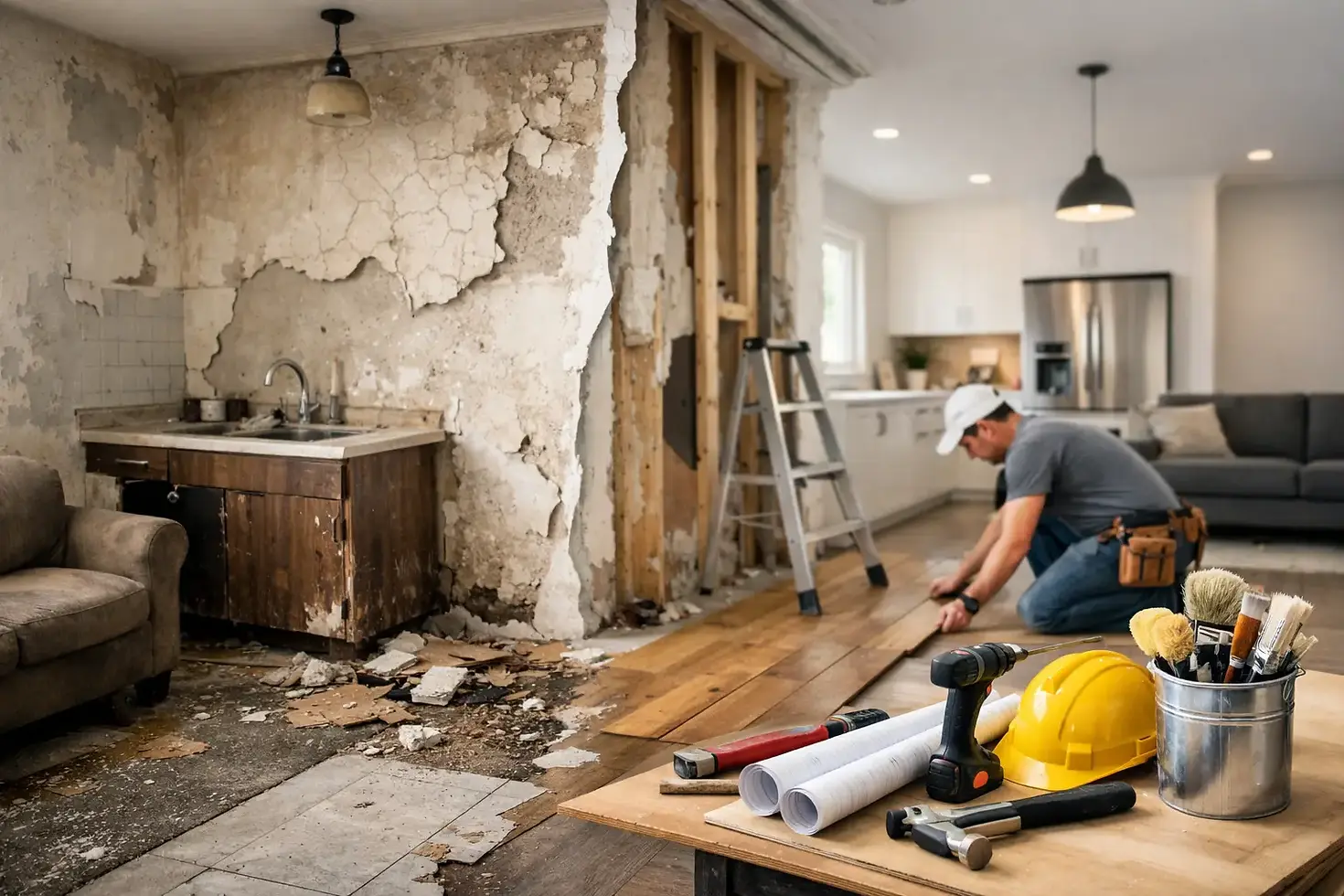
Peeling paint, swollen baseboards, warped flooring, soft drywall, ceiling stains, and musty odors should never be ignored. Water can travel behind walls and beneath floors, so the visible damage is not always the full extent of the issue.
Before selecting new finishes, identify where the moisture is coming from. It could be a roof leak, failed caulking, plumbing issue, poor drainage, or an outdated shower assembly. Once the source is corrected, renovating damaged areas with appropriate materials helps protect the home and prevents a cosmetic update from failing too soon.
4. Your kitchen no longer works for your household
Kitchens carry a lot of the daily load. If counter space is scarce, cabinets are difficult to access, appliances are poorly placed, or there is nowhere to put groceries and small appliances, the problem is more than appearance.
A kitchen renovation can improve workflow without chasing every design trend. More functional storage, durable counters, better lighting, and a layout that creates clear paths between the sink, refrigerator, and cooking area can make the room easier to use every day. For families who gather in the kitchen, the right update can also create space for homework, casual meals, and entertaining without crowding the cook.
5. The bathroom feels worn, cramped, or difficult to clean
Bathrooms reveal wear quickly. Cracked tile, stained grout, corroded fixtures, weak ventilation, and dated surfaces can make a room feel neglected even when it is clean. More importantly, poor ventilation and water intrusion can lead to mold, damaged subflooring, and repair costs that grow behind the walls.
A bathroom remodel is often worthwhile when the room lacks storage, the shower is uncomfortable, or the finishes are past their useful life. Practical upgrades such as a well-built walk-in shower, improved ventilation, better lighting, and easy-to-maintain materials can improve both daily comfort and long-term durability.
6. Your home feels dark or disconnected
A home does not need to be fully open concept to feel connected. Still, rooms that are overly separated, poorly lit, or cut off from usable outdoor areas can make the house feel smaller than it is.
Look at how natural and artificial light move through the space. Dim kitchens, shadowed bathrooms, and living areas with limited task lighting often benefit from a renovation that considers lighting as part of the design, not an afterthought. Depending on the home, strategic interior openings, updated windows, new lighting layers, or refreshed finishes can create a brighter, more comfortable result.
7. Storage is always a problem
If countertops, dining tables, and bedroom floors regularly become storage areas, your home may not have enough organized space for your current needs. This is common for growing families, new homeowners moving from smaller spaces, and households that now work from home.
The answer is not always adding square footage. Custom cabinets, pantry improvements, built-in shelving, redesigned closets, and better use of underused wall space can solve storage problems within the existing footprint. A thoughtful renovation considers what you need to store, where you use it, and how easily it should be accessed.
8. Aging systems are limiting safety or comfort
Older electrical panels, insufficient outlets, unreliable plumbing, inefficient windows, and outdated HVAC-related components can affect how safely and comfortably a home operates. Flickering lights, outlets that feel warm, frequent breaker trips, low water pressure, and rooms that never seem to cool evenly deserve professional attention.
Some system upgrades are not visible after the project is complete, but they can be among the most valuable improvements you make. They support safer daily use and provide a stronger foundation for the new finishes you want. When planning a renovation, it is wise to budget for necessary behind-the-wall work instead of investing only in surface-level changes.
9. The exterior is showing more than normal wear
Your home’s exterior is its first layer of protection from heat, rain, pests, and changing weather. Loose fencing, deteriorated trim, damaged siding, worn paint, drainage problems, and unstable outdoor structures can affect curb appeal, but they also create opportunities for more serious damage.
Exterior improvements can be practical and enjoyable at the same time. Repairing deteriorated areas, improving drainage, refreshing a fence, or adding a well-built pavilion can protect the property while making outdoor living more useful. In Central Texas, where outdoor space can be part of everyday life for much of the year, that added function can be meaningful.
10. You avoid inviting people over
This is one of the clearest personal signs. If you hesitate to host family because the kitchen is too cramped, avoid having guests stay because the bathroom is uncomfortable, or keep certain rooms closed because they feel unfinished, your home is not serving you the way it should.
A renovation should not be about impressing other people. It should help you feel more at ease in your own home. Sometimes that means a complete transformation. Other times, it means finally finishing the rooms that have been on your list for years.
How to Decide Between Repair and Renovation
Not every problem requires a full remodel. A repair may be the right answer when the issue is isolated, the surrounding materials are in good condition, and the space still works well for your household. Replacing a failed fixture or repairing a small area of damaged trim can be a practical, budget-conscious decision.
Renovation makes more sense when several issues overlap. For example, a bathroom with a leaking shower, poor ventilation, inadequate storage, and aging tile is usually better addressed as one coordinated project. Completing the work together can reduce disruption and helps ensure that plumbing, waterproofing, lighting, and finishes work as a complete system.
Start by listing the problems you experience most often, then separate urgent concerns from wish-list improvements. Be clear about your budget range, your timeline, and the outcome that matters most. A dependable contractor should help you understand the options, explain what the work involves, and provide clear expectations before construction begins.
The best renovation decisions are not driven by pressure or passing trends. They are built around the way you want to live in your home next year and for years after that. When you are ready to turn persistent problems into a space that works better, Redesign Remodeling LLC can help you plan the project with clear communication, honest guidance, and craftsmanship designed to last.


Comments