
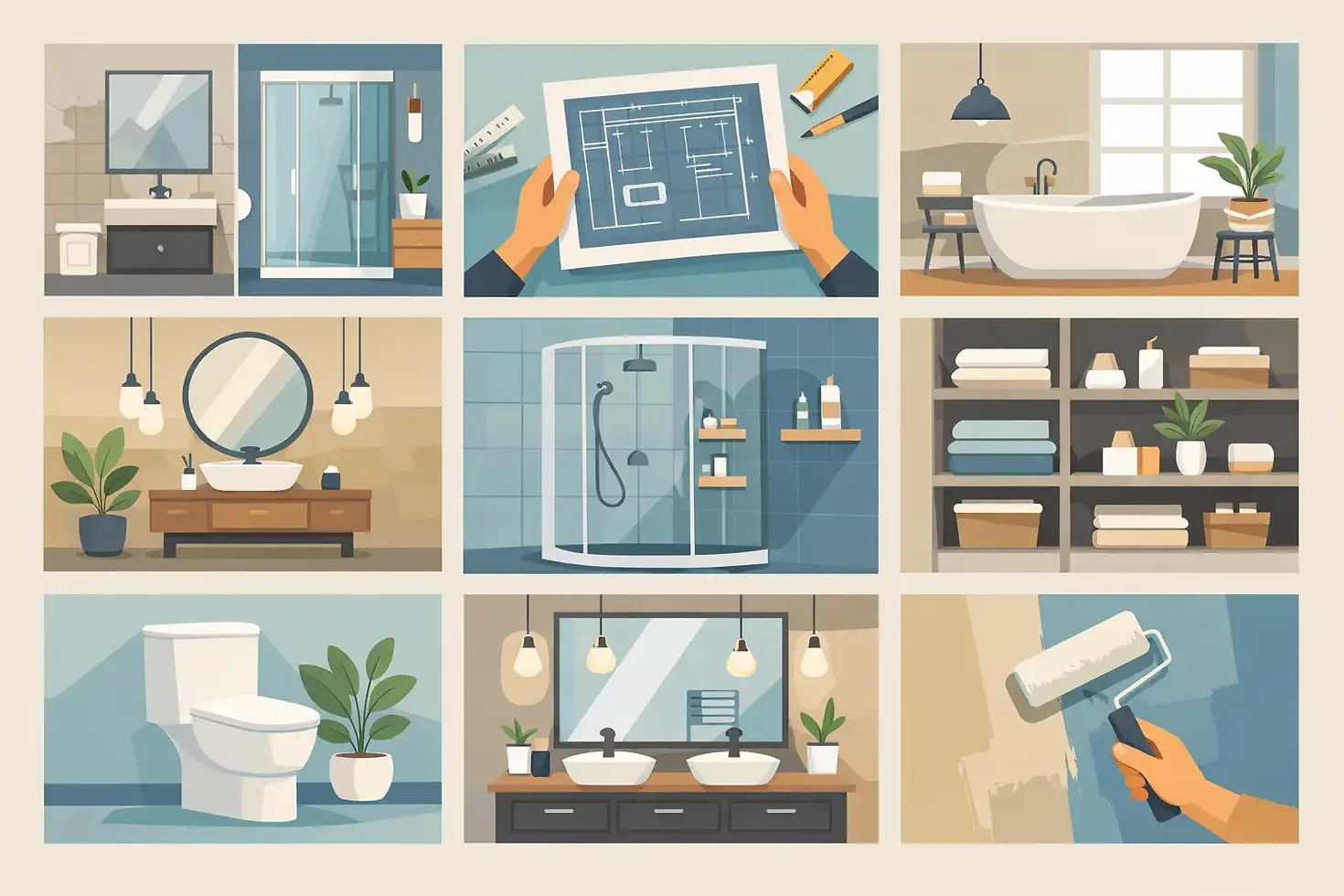
8 Examples of Bathroom Renovations
A bathroom renovation usually starts with one frustration you are tired of working around - poor storage, dated tile, a cramped layout, or a shower that never feels clean no matter how much you scrub. The best examples of bathroom renovations solve those everyday problems first, then improve the look of the space in a way that feels lasting, practical, and worth the investment.
For homeowners in Austin, that matters. A bathroom is one of the most used rooms in the house, and a remodel needs to do more than photograph well. It should fit your routine, respect your budget, and hold up over time. Below are eight renovation examples that show how different goals lead to different design and construction decisions.
Examples of bathroom renovations by goal
Not every remodel needs a full gut job. Some bathrooms need better function. Others need a cleaner style, easier maintenance, or more room for a growing family. Looking at real-world types of projects can help you decide what makes sense for your home.
1. The small bathroom that feels twice as usable
One of the most common renovation examples is the small hall bathroom that simply does too much with too little space. Maybe it serves guests, kids, and daily traffic, but the vanity is narrow, the lighting is poor, and the tub takes up more room than it earns.
A smart update here often includes a floating or furniture-style vanity with better drawer storage, a wider mirror, brighter layered lighting, and tile selected to visually open the room. In some cases, replacing a bulky tub with a glass shower helps the room feel larger. In other homes, especially those with young children, keeping the tub is the better call.
That trade-off matters. A larger shower may improve day-to-day use, but removing the only tub in part of the house can affect convenience and future resale appeal. Good renovation planning is about matching the space to how your household actually lives.
2. The primary bathroom built for comfort
A primary bathroom remodel usually has a different purpose. The issue is not always square footage. Often it is that the room feels dated, closed off, or pieced together from older finishes that no longer reflect the rest of the home.
This type of renovation may involve expanding the shower, adding a frameless glass enclosure, replacing a deck-mounted tub with a freestanding model, and upgrading to a double vanity with better separation between sinks. Warmer finishes, improved lighting, and intentional storage can turn the room from basic to comfortable without making it feel overbuilt.
The key is balance. High-end features sound appealing, but they should match the value of the home and the homeowner's long-term plans. A primary bath should feel personal and elevated, but it should also be easy to maintain and built with materials that can handle daily use.
3. The tub-to-shower conversion for easier access
Among the most requested examples of bathroom renovations is the tub-to-shower conversion. This project is popular with homeowners who want easier entry, less cleaning, and a more open layout. It can be especially useful for aging homeowners or anyone planning to stay in the home for years.
A well-designed conversion is more than removing the tub. It may include a low-threshold shower pan, built-in niche storage, slip-resistant flooring, a handheld showerhead, and a bench if space allows. These details improve comfort without making the room look clinical.
Still, this is a project where context matters. If the bathroom is the home's only full bath, keeping a tub may be the more flexible choice. If there is another tub elsewhere, a shower conversion often adds convenience and modern appeal.
4. The dated bathroom brought into this decade
Some bathrooms are structurally fine but visually stuck in another era. Think heavy cultured marble tops, yellowing finishes, bulky soffits, dark cabinetry, and tile patterns that make the room feel older than the house itself.
In that case, a cosmetic-focused renovation can make a major difference. New tile, updated plumbing fixtures, a fresh vanity, cleaner paint colors, and modern lighting can transform the room without changing the footprint. If the layout works, there is often no reason to spend extra money moving plumbing.
This kind of project is often one of the best value plays. Homeowners get a noticeable change in appearance and function while keeping labor and construction complexity more controlled. It is also a good example of why honest planning matters. Not every successful remodel requires tearing everything out to the studs.
What these bathroom renovation examples have in common
Even though the goals differ, the strongest bathroom remodels usually solve the same core issues. They improve storage, lighting, flow, and material durability. They also reflect realistic decisions about budget and timeline.
5. The family bathroom designed for daily traffic
A shared bathroom used by kids or multiple family members needs durability just as much as style. This renovation example often includes a double-sink vanity, easier-to-clean surfaces, better drawer organization, and tile selected for slip resistance and simple maintenance.
This is not the place for delicate materials that stain easily or fixtures that look great but cannot handle constant use. A family bathroom should feel neat and updated, but it also has to survive rushed mornings, bath time, and the general wear that comes with everyday life.
That is where thoughtful planning pays off. Sometimes a more modest finish selection is the smarter investment because it stretches the budget toward better layout improvements or stronger construction quality.
6. The guest bathroom that makes a better first impression
Guest bathrooms are usually smaller projects, but they matter more than many homeowners expect. Visitors notice them, and because the room is compact, even targeted updates can create a polished result.
A guest bath renovation may include a new vanity, statement mirror, updated tile floor, modern fixtures, and fresh wall finishes. Since this space is used less heavily, homeowners sometimes choose slightly bolder design choices here than they would in a primary bath.
The caution is to avoid overdesigning a small room just because it is visible. The best guest bathrooms still feel cohesive with the rest of the home. Clean lines, dependable materials, and good lighting usually make a stronger impression than trendy details that age quickly.
7. The bathroom with a better layout, not just better finishes
Some of the most effective bathroom renovations are not the flashiest. They simply fix a layout that never worked. Maybe the toilet is the first thing you see when the door opens. Maybe the vanity blocks circulation, or the shower door collides with another fixture.
In these cases, moving walls or reworking plumbing may be justified. A better layout can improve privacy, storage, and comfort every single day. It can also make the room easier to clean and easier to use for more than one person at a time.
This is usually where working with an experienced remodeling team matters most. Layout changes require careful planning, realistic budgeting, and clear communication from the beginning. The result can be worth it, but only if the project is managed well.
8. The older home bathroom updated without losing character
Austin has plenty of homes with charm, and not every bathroom should be remodeled to look brand new in a generic way. In older homes, the better approach is often to update performance while preserving character.
That might mean using tile with a classic shape, choosing fixtures that nod to the home's style, or keeping original elements that still make sense. Behind the walls, though, the priorities are modern: plumbing updates, better ventilation, waterproofing, lighting, and storage.
This type of renovation takes restraint. If you go too far toward historical appearance, the room may lose convenience. If you go too far toward a modern reset, the space may feel disconnected from the rest of the house. The right answer depends on the home and what matters most to the owner.
How to use these examples of bathroom renovations in your own project
The most useful lesson from these examples of bathroom renovations is that a successful remodel is not defined by size alone. It is defined by fit. The right project addresses the problems you actually live with, uses materials appropriate for the room, and stays aligned with your timeline and financial comfort level.
That is why planning should start with priorities, not finishes. Ask what is not working now. Is it storage, layout, accessibility, cleaning, lighting, or simple wear and tear? Once those answers are clear, design choices become easier and the budget can be directed where it has the most impact.
It also helps to be honest about what kind of renovation your home supports. A full luxury remodel is not always the best return. A focused, well-executed update often does more for comfort, resale appeal, and long-term satisfaction than a larger project filled with features you may not use.
At Redesign Remodeling LLC, that practical approach is what helps homeowners move forward with confidence. Good bathroom remodeling is not about pushing the biggest scope. It is about creating a finished space that looks right, works better, and feels worth it every day you use it.
If you are collecting ideas, do not just save photos of beautiful bathrooms. Pay attention to which examples solve the same problems you have at home. That is usually where the best renovation starts.


Comments