
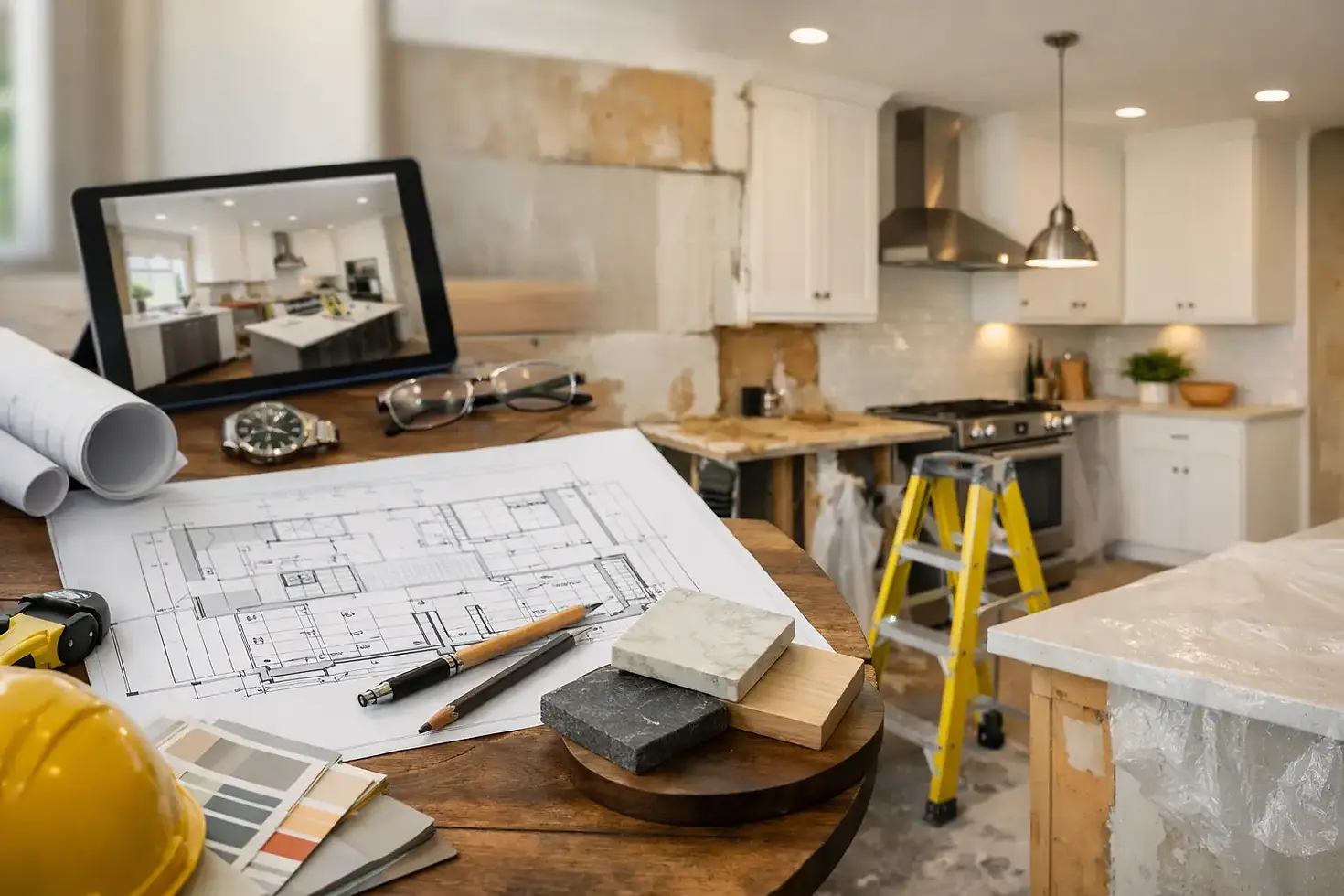
Kitchen Remodeling Timeline Guide
Most kitchen delays do not start with demolition. They start weeks earlier - when selections are incomplete, permits are unclear, or no one has mapped the order of work. A solid kitchen remodeling timeline guide helps you understand what should happen, when it should happen, and where projects usually slow down.
For homeowners, that matters because the kitchen touches daily life more than almost any other room. If the schedule slips, meals get harder, routines get disrupted, and temporary solutions start wearing thin. The good news is that a well-managed remodel usually follows a clear sequence, even though the exact timing depends on your layout, materials, and project scope.
What a typical kitchen remodeling timeline looks like
Most kitchen remodels take anywhere from several weeks to a few months from planning to final punch list. The construction phase alone is often shorter than homeowners expect. What stretches the full timeline is the work that happens before crews arrive, including design decisions, product ordering, and permit approval.
A smaller cosmetic update with existing layout, stock materials, and limited electrical or plumbing changes can move faster. A full renovation with custom cabinetry, structural changes, upgraded systems, and specialty finishes will take longer. That does not mean something is wrong. It usually means the project is more detailed and requires tighter coordination.
Phase 1: Planning and design
This is the part homeowners are most tempted to rush, and it is often the part that saves the most time later. Planning typically includes measurements, budget discussions, layout review, scope definition, and finish selections. If you are moving walls, relocating plumbing, or changing appliance locations, this phase becomes even more important.
A realistic planning window may range from a couple of weeks for a straightforward project to over a month for a more customized remodel. The timeline depends on how quickly decisions are made and whether the design is already clear. Homeowners who know exactly what they want can move faster, but many projects benefit from slowing down here to avoid expensive changes during construction.
This is also when trade-offs show up. A custom look may require longer lead times. Keeping your existing layout may save time and money, but it may limit how much function improves. The right choice depends on your priorities, not just the calendar.
Phase 2: Selections, pricing, and ordering
Once the design direction is set, materials need to be finalized and ordered. Cabinets, countertops, tile, flooring, fixtures, lighting, and appliances all affect the schedule. Cabinets and specialty items are often the biggest drivers because they can take weeks to arrive.
This phase is where accurate pricing and honest communication matter. If a contractor starts construction before key materials are confirmed, the project becomes more vulnerable to downtime. Waiting on one missing item can hold up multiple trades.
In a strong process, selections and ordering are not treated like side tasks. They are part of project management. That means confirming availability, reviewing lead times, and making sure products fit the plan before work begins.
Phase 3: Permits and scheduling
Not every kitchen remodel requires the same level of permitting, but many do when electrical, plumbing, structural, or mechanical work is involved. Permit timelines vary by scope and municipality, so this stage can be quick in some cases and slower in others.
Scheduling also happens here. Trades need to be lined up in the right order, and the project should be built around realistic dependencies. Drywall cannot be finished before rough inspections. Countertops cannot be templated until cabinets are installed. Appliances may need to be on site by a certain point, depending on the job.
For homeowners in Austin, permit timing and inspection scheduling can affect the overall pace, especially on more substantial remodels. A contractor who plans for that upfront is less likely to overpromise on dates.
Phase 4: Demo and site prep
Demolition is fast compared to the rest of the remodel. In many kitchens, demo may take a day or several days depending on size, access, and how much is being removed. If there are surprises behind walls or under flooring, that can extend the schedule.
Older homes sometimes reveal outdated wiring, water damage, uneven framing, or plumbing that does not match current plans. This is one reason trustworthy contractors avoid promising a perfect timeline before opening up the space. Hidden conditions are real, and they need to be handled correctly rather than covered up to save a day.
Site protection is also part of this phase. Dust control, floor protection, and a plan for traffic through the home all make a big difference in how manageable the remodel feels while work is underway.
Phase 5: Rough-in work
After demolition, the behind-the-walls work begins. Electricians, plumbers, and sometimes HVAC professionals complete rough-in changes based on the new layout. If walls are moved or framing changes are needed, that work happens here too.
This phase is critical because it sets up everything that comes after. If rough-in is sloppy or rushed, installation problems show up later. Outlet locations, plumbing lines, venting, and lighting placement should all be aligned with the design before walls are closed.
Inspections often happen at this point. If an inspection is required, the project may pause briefly until approval is received. That pause is normal and should be built into the kitchen remodeling timeline guide you use to set expectations.
Phase 6: Walls, flooring, and cabinetry
Once rough-in is approved, drywall repair or replacement begins, followed by painting in many cases. Flooring timing varies. Some projects install flooring before cabinets, while others install it after, depending on material type and layout strategy.
Cabinet installation is one of the biggest visible milestones. It is also one of the most important for schedule coordination. Countertop templating usually happens only after base cabinets are level and secured. Then the countertop fabricator needs time to measure, fabricate, and return for installation.
This is where early planning pays off. If cabinets arrive damaged or incorrect, the whole schedule can shift. The same is true if measurements were not carefully verified at the start.
Phase 7: Countertops, tile, and finish work
After cabinets are in place, countertops can be installed, followed by backsplash tile in many kitchen remodels. Fixtures, hardware, trim, lighting, and appliance hookups usually happen during this stage as well.
Finish work can look close to done while still requiring substantial labor. Caulking, touch-up paint, alignment adjustments, and detail checks take time, especially in a kitchen where many surfaces meet. Homeowners sometimes get frustrated here because progress feels slower, but this is the stage that separates a rushed job from a polished one.
What causes kitchen remodel delays?
Some delays are preventable, and some are not. The most common preventable issues are late selections, unclear scope, poor scheduling, and weak communication. If no one confirms every fixture, finish, and appliance in advance, the timeline becomes more fragile.
Less predictable delays include backordered materials, inspection timing, weather impacts on certain deliveries, and hidden conditions uncovered during demolition. Custom orders can also create timing issues. They may be worth it for the final result, but they need to be accounted for honestly from the beginning.
A good contractor does not pretend delays never happen. Instead, they reduce avoidable ones and communicate clearly when circumstances change.
How to keep your project moving
The best way to protect your schedule is to make decisions early and work with a contractor who manages details proactively. That means finalizing selections before demo when possible, confirming appliance specs, and understanding which items have the longest lead times.
It also helps to prepare your household for temporary disruption. Set up a simple backup kitchen, expect some noise and dust, and build a little flexibility into your daily routine. Projects tend to feel more stressful when homeowners expect normal life to continue unchanged.
If you want the process to stay on time, ask direct questions before work starts. When will materials be ordered? Which items control the schedule? What inspections are required? Who updates the timeline if something changes? Clear answers usually point to clear project management.
A kitchen remodeling timeline guide should set expectations, not sell fantasy
The most reliable timeline is not the shortest one. It is the one built around real sequencing, realistic lead times, and honest communication. That is how homeowners avoid the frustration of vague promises and last-minute surprises.
At Redesign Remodeling LLC, that planning mindset is a major part of delivering kitchens that feel worth the disruption. When the schedule is handled with care from the start, the remodel does not just look better at the end. It feels better all the way through.
If you are planning a kitchen remodel, give yourself room for smart decisions early. A calm, well-organized start usually does more for the final timeline than trying to make every phase move faster.


Comments